
Welcome to Magical Kenya
Kenya Destinations
Kenya is Africa in a single country — wild savannahs, snow-capped peaks, vibrant cultures and white-sand beaches all rolled into one unforgettable destination. Whether you’re chasing lions across golden plains or sipping fresh coconut water by the Indian Ocean, Kenya delivers adventure, beauty and heart in equal measure
Maasai Mara National Reserve
Witness the Great Migration and spot the Big Five amid golden grasslands. It’s safari at its most dramatic.


Amboseli National Park
Famous for massive elephant herds and postcard-perfect views of Mount Kilimanjaro.
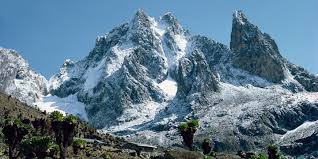
Mount Kenya
Africa’s second-highest peak offers scenic hikes and alpine adventures for all skill levels.

Nairobi City
Where wild meets urban — visit Nairobi National Park, kiss a giraffe, or meet baby elephants at the Sheldrick Wildlife Trust.
Lamu Island
Step into a slower rhythm. With no cars and centuries-old Swahili culture, Lamu is pure coastal charm.


Tsavo National Park
Home to red-dusted elephants, lava flows and rugged beauty — Tsavo is Kenya’s wild soul.
Kenya
Best Time To Visit
June to October (Dry Season)
Prime time for wildlife safaris and the Great Migration.
November to December (Short Rains)
Lush landscapes and fewer crowds — perfect for photography.
March to May (Long Rains)
Budget-friendly, but some parks may be harder to access.
January to March
Coastal areas like Mombasa, Diani, and Lamu are warm and beach-ready all year. However, they can be very humid during the rainy seasons.
Travel Essentials
Visas:
Most visitors need a visa – available online or on arrival. Ensure 6+ months passport validity.
Vaccinations:
Yellow fever (required if coming from an at-risk area).
Currency:
Kenya’s currency is the Kenyan Shilling (KES). Credit and debit cards are widely accepted in cities, but for rural areas, having cash is essential. ATMs are readily available in towns and cities. Mobile money (like M-Pesa) is very popular in Kenya for everyday transactions, including payments for taxis and even hotels.
Flights:
Domestic airlines connect safari circuits and cities.
Public:
Rideshare services like Uber and Bolt are popular and generally safe.
Safaris:
Renting a car is an option with a guided safari tour.
Safety Tip 1:
When walking at night be accompanied by your tour guide.
Safety Tip 2:
Keep valuables secure.
Safety Tip 3:
Stick to licensed guides and operators.
Swahili Coast Culture: The coastal areas, particularly Lamu and Mombasa, have a rich Swahili culture influenced by centuries of trade between Africa, the Middle East and Asia. The blend of African, Arab and Indian cultures is reflected in the food, language, architecture and customs of the coastal regions.
The Maasai: Known for their distinctive red attire, beadwork and warrior traditions, the Maasai people have become symbols of Kenyan culture. Many Maasai communities near national parks welcome visitors to learn about their customs, participate in dances and purchase traditional handicrafts.
Traditional Cuisine: Kenyan food varies from region to region but generally includes staples like ugali (a cornmeal dish), nyama choma (grilled meat) and sukuma wiki (a leafy green similar to collard greens). Coastal cuisine is particularly flavorful, incorporating coconut and spices influenced by Swahili traditions.
Luxury Lodges
- Angama Mara in Maasai Mara
- Giraffe Manor in Nairobi
- The Majlis on Lamu Island
Mid-Range Hotels
- Mara Simba Lodge in Maasai Mara
- Voyager Beach Resort in Mombasa
- The Tribe Hotel in Nairobi
Budget Options
- Options include campgrounds and budget lodges near parks, like Wildebeest Eco Camp in Nairobi and Simba Oryx Nature Camp in Maasai Mara.
-
Safari Gear: Neutral clothing, binoculars, hat, sunscreen and a camera
-
Beachwear: Light clothes, swimwear, reef-safe sunscreen, sandals
-
Cool Weather: A warm layer for evenings and high-altitude areas
-
Health & Comfort: Insect repellent, personal medications and reusable water bottles
 Talk to Us